1. Home
  2. Insights

Stories and ideas for travelling well.

Field notes, practical guides and traveller stories from our specialists.

Sunlit forest path

Field note5 min read

Five places that reconnect you with what matters

The destinations our specialists return to when they need to reset.
Shared plates of local food on a wooden table

Perspective4 min read

How local expertise changes a journey

The difference between seeing a place and being welcomed into it usually comes down to one person.
Map, notebook and camera laid out for trip planning

Playbook5 min read

Planning a private trip without overplanning

A simple framework for deciding what to fix in advance and what to leave open.
Hand-cut zellige tilework in a Moroccan courtyard

Story4 min read

Travel that gives back

How the money from a single journey can stay in the places that make it special.
Safari vehicle at sunset on the Serengeti

Traveller story6 min read

Ten days on the Serengeti with the Chen family

Three generations, one private guide and a river crossing none of them will forget.
Vintage camper van on a desert road among red rocks

Field note4 min read

The case for the long way round

Why the drive between national parks is often the best part of the American Southwest.
Inspired?

Turn an idea into a journey.

Share what caught your eye and a specialist will shape it into a plan — free and without obligation.

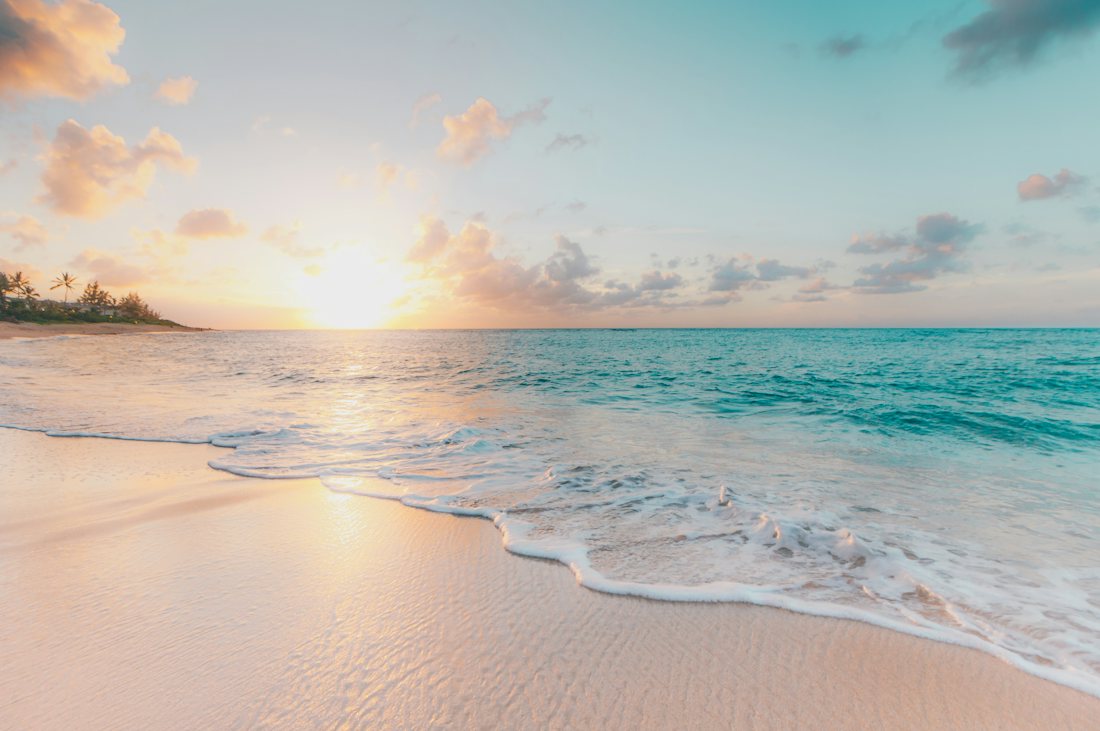
Calm beach at sunrise

Guide6 min read

The art of slower travel

Most itineraries fail in the same way: too many hotels, too many transfers and too little time to notice where you are. The first thing we do with a new plan is take something out.

Slower travel is not about doing less. It is about staying long enough for a place to stop performing for you. Three nights in one town lets you find the café you return to, the walk you take twice and the person who remembers your name.

In practice it means fewer one-night stops, transfers that happen in daylight and at least one unplanned afternoon in every three days. It also tends to cost less than people expect, because fewer moves mean fewer fees.

If you change only one thing on your next trip, add a night where you would normally leave. It is the single most common thing our travellers thank us for.

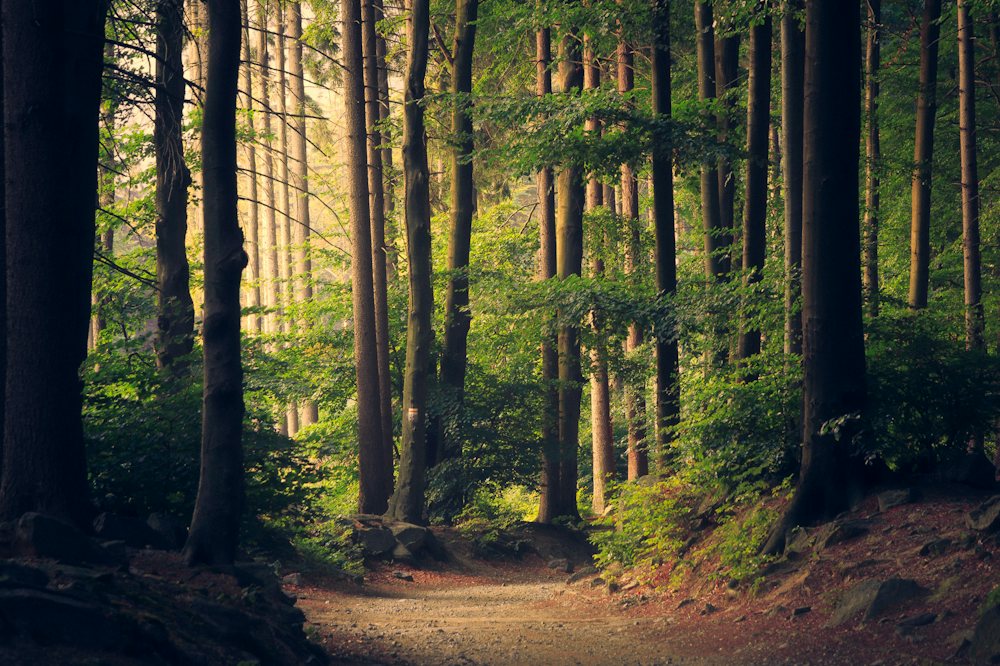
Sunlit forest path

Field note5 min read

Five places that reconnect you with what matters

We asked our specialists where they go when they need to remember why they love travel. The answers were rarely the famous sights.

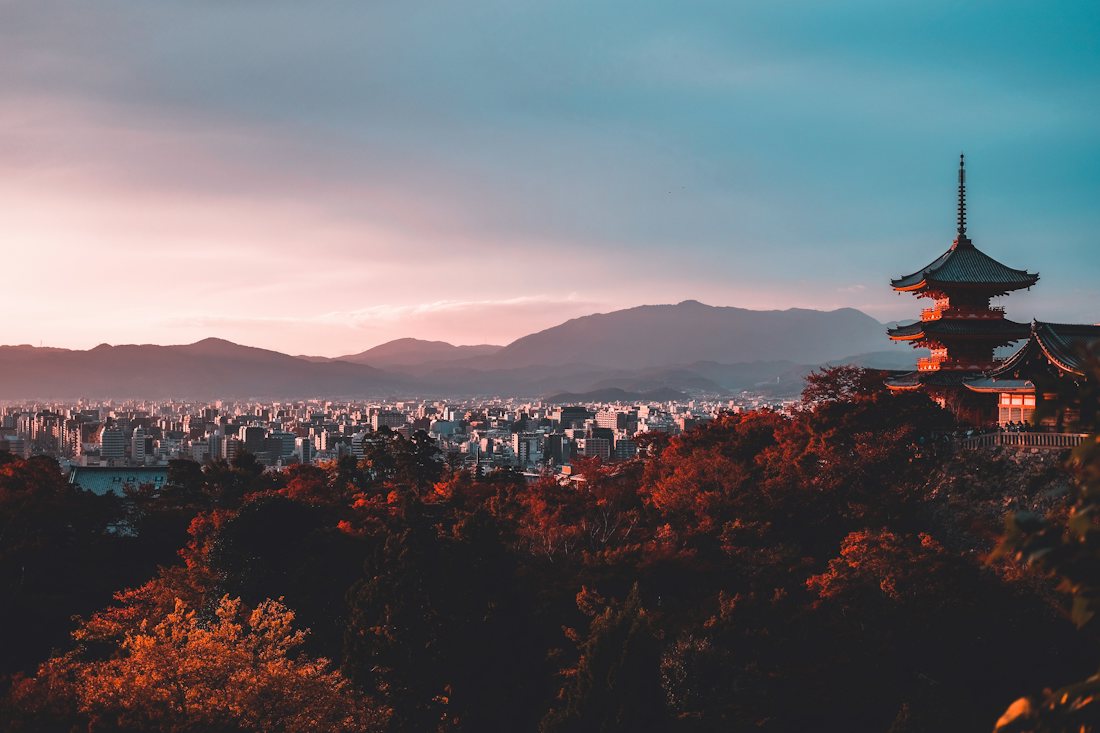
Tengboche in Nepal, for morning prayers in a monastery at nearly 4,000 metres. Folegandros in the Cyclades, where the evening walk is the entertainment. The Fuji Five Lakes at dawn, before the coaches arrive.

The Sacred Valley in Peru, walked with a guide whose grandparents farmed it. And the far east of Iceland, where you can drive for an hour without passing another car.

What they share is not remoteness but space: room to think, and nothing competing for your attention.

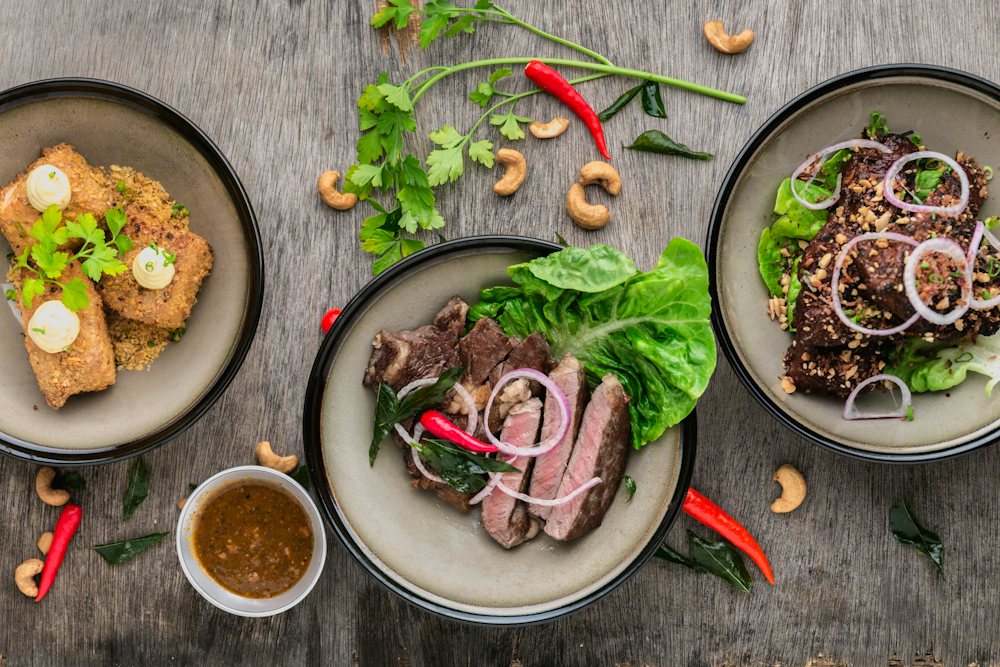
Shared plates of local food on a wooden table

Perspective4 min read

How local expertise changes a journey

Every journey we plan is built around people, not properties. A guide in Fes who grew up inside the medina. A tea master in Kyoto who opens her home twice a month. A Navajo guide who knows which overlook is empty at four o’clock.

These relationships take years to build, and they are the part of a trip you cannot book online. They change what you see, but more importantly they change how you are received.

We pay local partners fairly and directly, and we keep working with the same people season after season. It is better for them, and it means our travellers arrive as guests rather than customers.

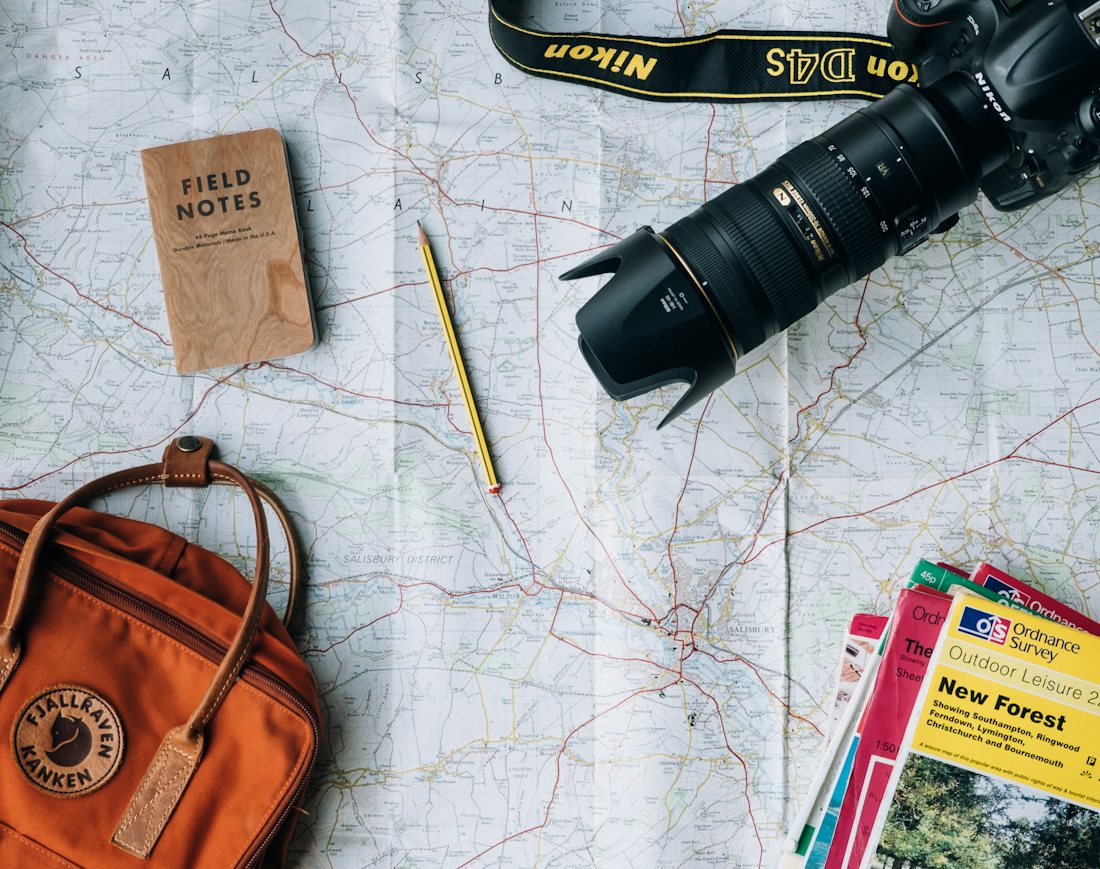
Map, notebook and camera laid out for trip planning

Playbook5 min read

Planning a private trip without overplanning

Book the scarce things early: permits, small lodges, private guides and anything with limited daily entries, such as Machu Picchu or the Ngorongoro Crater.

Fix the shape, not the hours. Decide where you sleep each night and how you travel between places, then leave most days as a menu of options rather than a timetable.

Protect transition days. Travel days are never as short as the timetable suggests, so give them nothing else to do.

Finally, decide who you will call if something changes. One person who knows your whole trip is worth more than any amount of detail on paper.

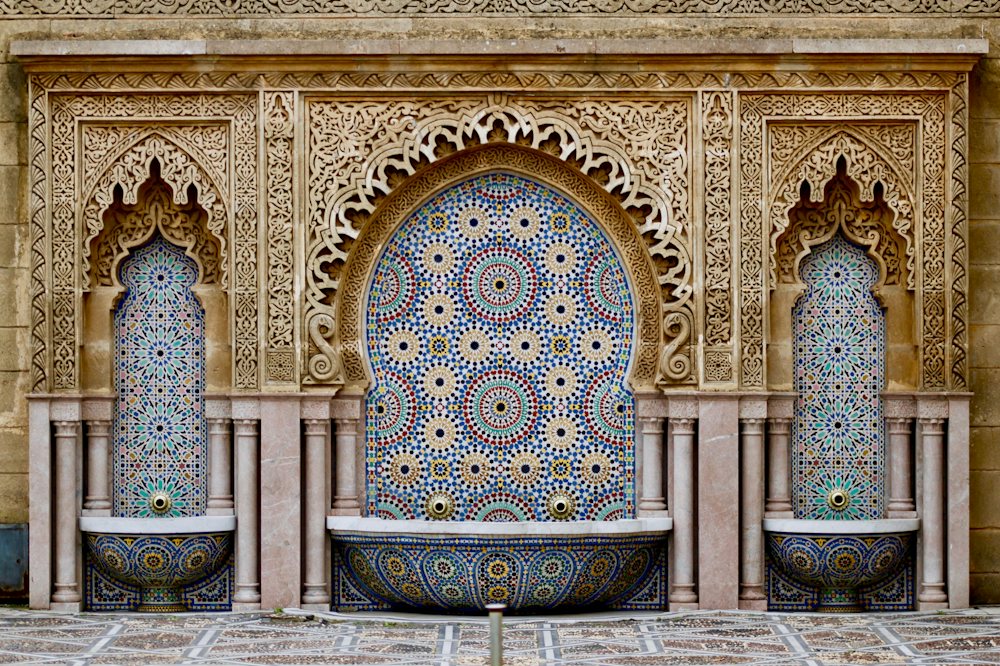
Hand-cut zellige tilework in a Moroccan courtyard

Story4 min read

Travel that gives back

Tourism can hollow out the places people love, or it can help sustain them. The difference is mostly where the money goes.

We favour locally owned riads, lodges and camps. We work with cooperatives such as the weavers of Chinchero and the tile workshops of Fes, and we choose safari camps that fund community conservancies.

Every journey also includes a contribution to a partner project in the destination, from reef restoration in Palawan to trail maintenance in the Khumbu. It is listed on your proposal, so you can see exactly where it goes.

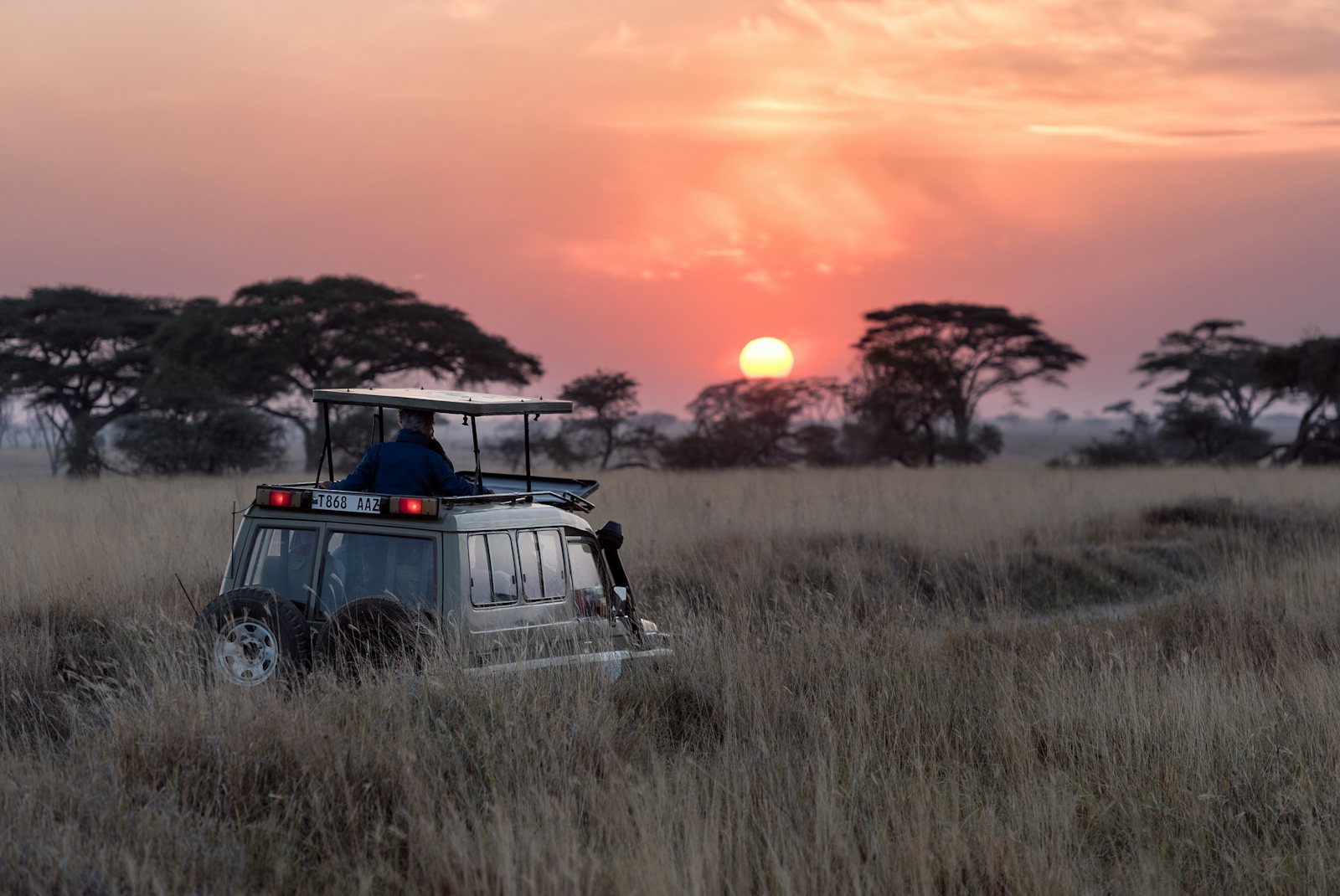
Safari vehicle at sunset on the Serengeti

Traveller story6 min read

Ten days on the Serengeti with the Chen family

Sarah Chen came to us with an unusual brief: a safari that would work for her seventy-year-old father and her eight-year-old son, without anyone feeling rushed or held back.

We built the trip around a single guide, Joseph, who stayed with the family for all ten days. Mornings started early for the wildlife; afternoons were for the pool, naps and long lunches.

On day seven, after two days of waiting by the Mara River, the herds crossed. Joseph had positioned the vehicle so the family could watch quietly, away from the line of other jeeps.

“Every detail felt personal,” Sarah told us afterwards. “We could be fully present because everything else had been thought through.”

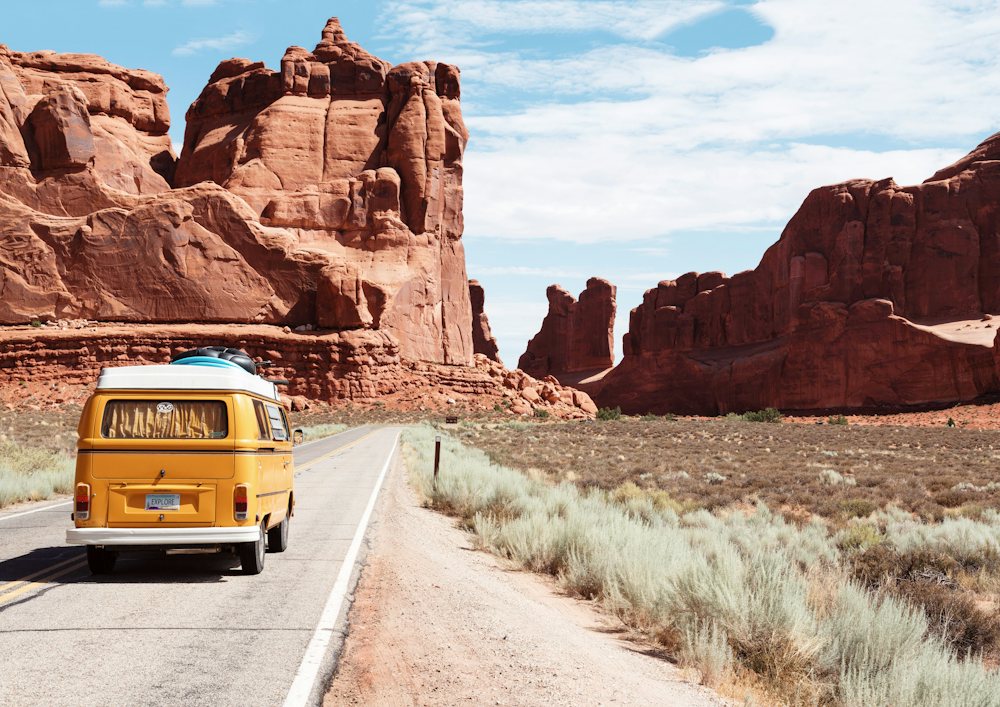
Vintage camper van on a desert road among red rocks

Field note4 min read

The case for the long way round

Flights are faster, but in the Southwest the road is the destination. Scenic Highway 12 between Bryce and Capitol Reef is one of the most beautiful drives in North America, and it is easy to rush.

We plan drives of three to four hours at most, with a named lunch stop and one detour worth taking. Leave early and you will have the overlooks to yourself.

For travellers who would rather not drive, a private chauffeur turns the same route into something closer to a moving lounge, with a guide who knows exactly when to pull over.